Choosing to Remember
A Journey Beyond the Illusion
Imagine stepping into a grand stage, a boundless realm of infinite potential, where every soul takes its turn to play an ephemeral yet extraordinary part. Before the curtain rises, you, as pure consciousness—a radiant, unbounded essence—agree to embark on an adventure like no other. This adventure is both a game and a challenge, set within one of the most intricate designs ever conceived: life on Earth.
To participate, you must temporarily relinquish the memory of your true self. Your connection to the vast, eternal truth that defines you is intentionally severed. The terms are clear: you will enter a vessel, a fragile yet wondrous vehicle crafted for this journey. It is more than just a body; it is a sensory machine, a physical interface through which to experience the simulation. Its purpose? To act as your tether to this virtual reality.
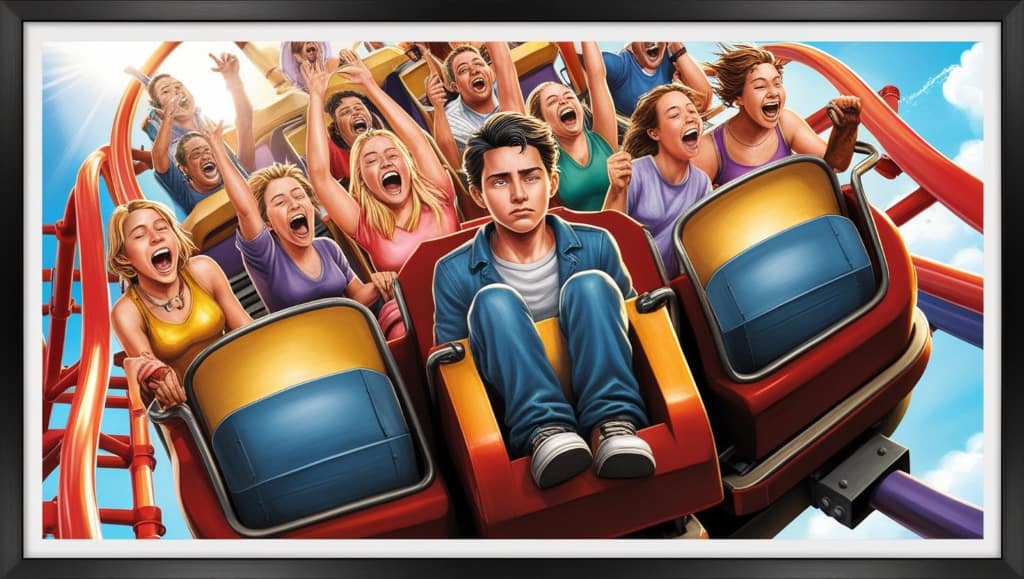
Now, picture life on Earth as a gamer slipping on the most advanced virtual reality headset ever crafted. The moment you begin, you’re completely immersed. This VR isn’t merely a set of visuals and sounds—it’s a fully sensory experience. Every sight you behold, every emotion you feel, every touch, taste, and sound is as vivid as reality itself. But here’s the marvel: it’s so convincing that you forget you ever donned the headset. You forget the existence of the player who chose to embark on this adventure.
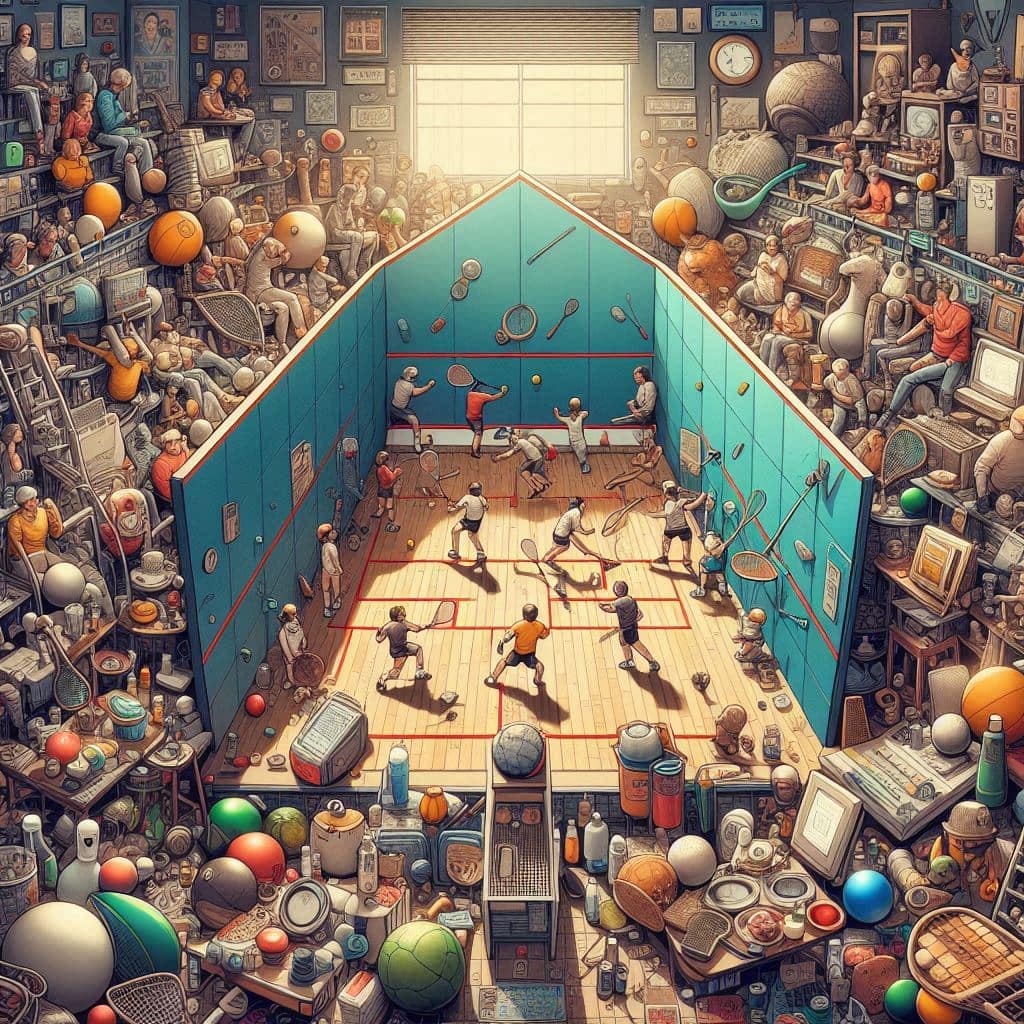
Each level is designed with intricate detail, a labyrinth of joys, sorrows, and challenges. You’re tasked with building a character, mastering skills, and forging relationships with other avatars. The rules of this “game”—gravity, time, mortality—are so immersive that they seem absolute, yet they are but a programmed construct of this expansive simulation.
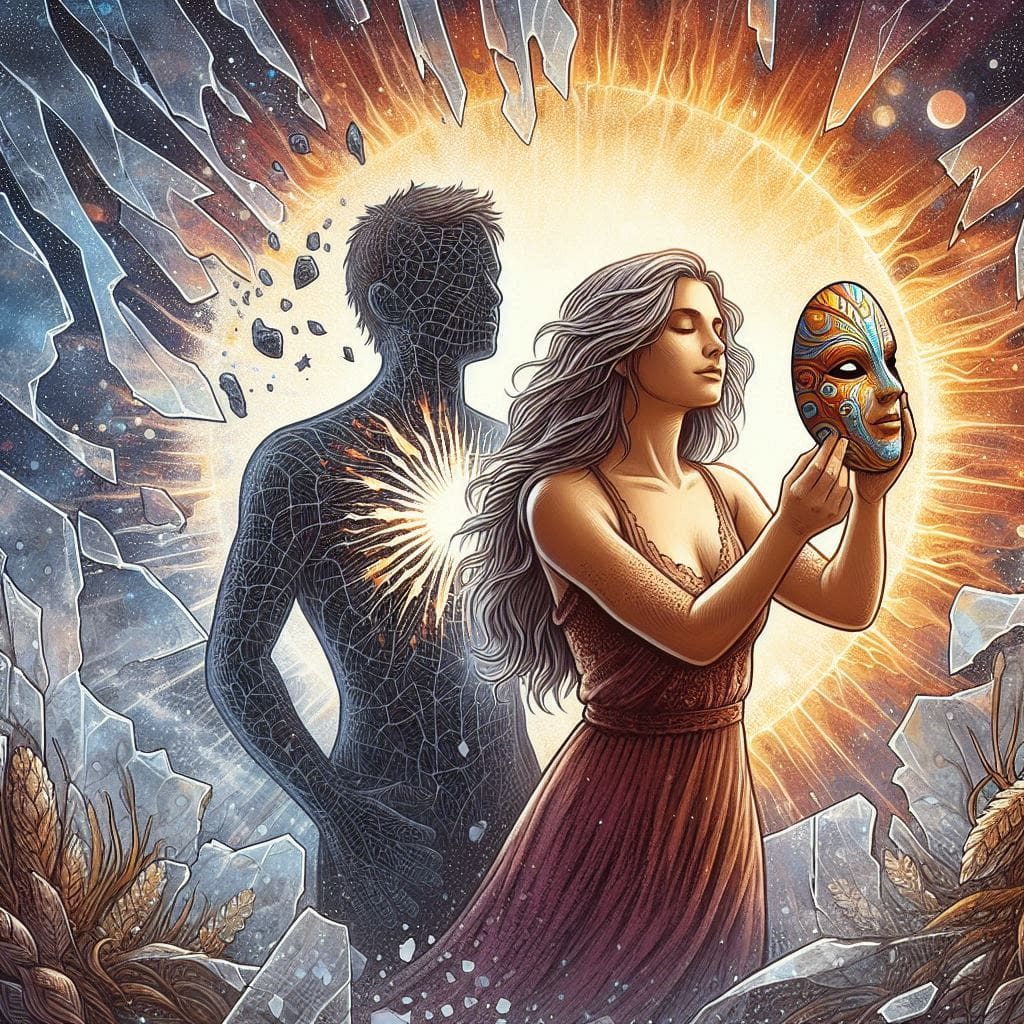
The true test of the game? To remember. To realize that this dazzling VR, as breathtaking as it is, is not the entirety of your existence. It’s an experience, an illusion, a masterfully designed play. And just as the gamer can take off the headset and marvel at the depth of their journey, so too can your consciousness awaken to the truth beyond the simulated constraints.
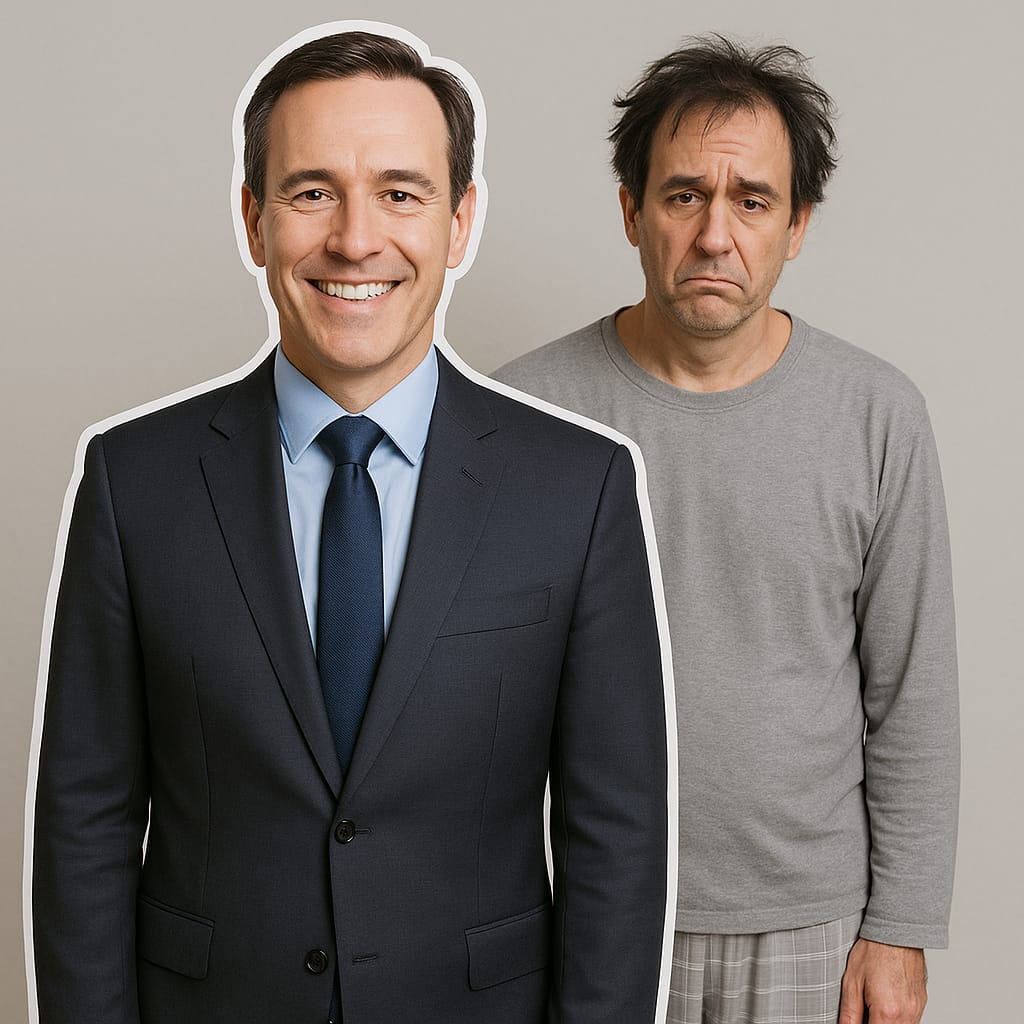
But there is a twist. Upon arrival, another force takes center stage—the brain. This biological marvel, akin to a highly advanced AI, becomes your onboard system, interpreting your surroundings and enabling you to navigate the physical world. Yet, as remarkable as the brain is, it has limitations. It is not the true you. It is a processor, a storyteller, crafting a narrative based on external inputs and internalized beliefs. Over time, its voice grows louder, overshadowing the subtle whispers of the soul.
In those first tender years, the connection to your essence remains palpable. As a child, you are light, unburdened, and attuned to the flow of life. Your laughter is spontaneous; your curiosity boundless. But this connection begins to wane as the brain learns to wield its power. Around the age of seven, the “hostile takeover” begins. The brain assumes the role of the primary operator, molding a personality based on societal expectations, cultural norms, and inherited fears. The soul—your true self—is relegated to the background, its voice reduced to faint, occasional nudges.
Most of humanity lives unaware of this shift. We are not taught to question the brain’s authority or to recognize the illusions it perpetuates. Pain, fear, the finality of death—these are the brain’s creations, constructs that keep us tethered to the simulation. The vast majority of children are raised to obey these narratives, their innate connection to the truth slowly eroded by conditioning.
Yet, there is a way out—a choice to remember. The game’s ultimate challenge is not to escape but to transcend, to reconnect with the essence buried beneath the brain’s noise. The path is neither easy nor straightforward, but it is profoundly rewarding. It begins with tuning into feelings, the language of the soul. When you feel tense, fearful, or weighed down, it is the brain steering the ship. But when you feel light, joyful, and free, that is your true self breaking through.
Consider this: all the pain, all the sorrow, all the fear of death—what if they are but illusions? What if the vessel, this exquisitely designed meat suit, is merely a temporary costume for the soul? When the body “dies,” the consciousness does not perish. For the brain, death is the ultimate drama, a story of loss and finality. But for the soul, it is a moment of liberation, a return to the vast, eternal truth of its being. There is no end, no curse, no demise—only the continuation of an infinite journey.
Reconnecting with this truth requires more than intellectual understanding. It demands surrender—letting go of the need to control, to define, to label. It calls for presence, for listening to the whispers of the soul through practices like meditation, stillness, and mindful awareness. It is about living fully, embracing the beauty of the game while remaining unbound by its illusions.
To choose to remember is to reclaim your essence, to rise above the constructs of the brain and align with the infinite creativity and love that define you. It is to play the game with curiosity and joy, knowing that the stakes are not as dire as they seem. The vessel may falter, the brain may resist, but the soul remains steadfast, patiently guiding you home.
And so, the question remains: will you let the game consume you, or will you choose to remember? The answer lies not in words but in the quiet moments when you feel the lightness of your being, the undeniable truth of who you are. In those moments, the illusions fade, and you realize that the only thing worth surrendering to is the journey itself—a journey not of forgetting but of remembering.